35 years ago, the concept of supplying temporary field professionals to influence farmers was born. With early success there was no looking back. Additional services were requested and added such as tele-specialist phone calls, product performance inquiries, demonstration trials, call/dispatch centers, digital solutions, certified seed crop inspections, field audits, stewardship projects and many other unique custom solutions.
We want to thank our many clients for their trust in AgCall and the hundreds of dedicated AgCall Associates that deliver amazing results to our clients every year.
AgCall is the leading provider of project management, data services and digital marketing to connect with and influence your customers.
Since 1988, AgCall's focus has been supporting, educating, and influencing the farmer. With our expansive coverage across Canada and the USA, and the continued growth of our services in the digital domain,
we're proud that as a company we've never lost sight of that. It's why we've earned and maintained the trust of our customers to provide them with the services they need to meet their business objectives in Agriculture for over 30 years.
More About AgCall
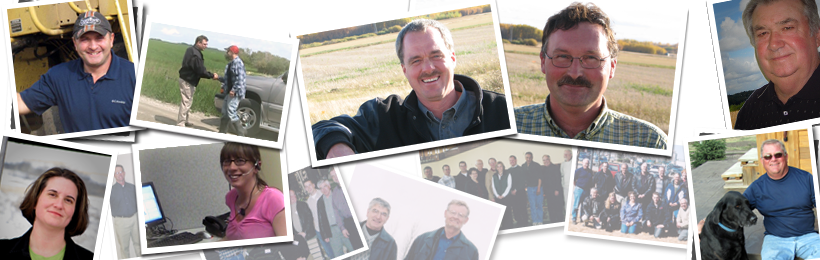
AgCall Associates are recruited for their industry knowledge and are active participants in the agriculture and food industry. Our peer-influencing approach to servicing products and clients allows us to draw on a deep resource pool.
AgCall Associates know and understand your customers because they are customers themselves.
Professionally produced online sales & marketing presentations and training courses.